How to store and serve plombir comes down to two numbers. Store it at 0F, or minus 18C, and keep it there. Then let the cup sit at room temperature for three to five minutes before the first spoonful. Deep, steady cold keeps the ice crystals small. The short rest lets the butterfat soften so the flavor can actually reach you. Everything else on this page is detail that protects those two numbers.
That rest matters more with plombir than with lighter ice cream. A high-butterfat style holds cold hard, and straight from a deep freezer it can read as stiff and muted. Three minutes later the same spoonful tastes of cream first. Below: how to set up a freezer that does not sabotage you, what to do the moment a delivery lands, why grainy ice cream happens, and the specific handling that logs, cones, and bars need.
How to Store and Serve Plombir: The Short Version
If you read nothing else, read this. Most texture problems at home are not the ice cream's fault. They come from a freezer that runs warm, a door shelf that warms every time someone reaches past it, or a tub that sat on the counter through the second half of a movie. Plombir rewards a boring, stable freezer and a little patience at the table. Get those right and the rest takes care of itself.
- Keep the freezer at 0F or colder and store the ice cream at the back of a lower shelf, never in the door.
- Let a cup stand three to five minutes at room temperature before eating, and skip the microwave entirely.
- Return an opened container to the freezer within a few minutes, not at the end of the evening.
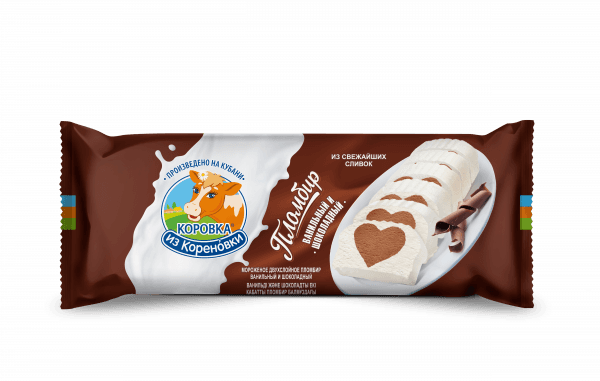
- Slice Poleno logs cold, then rest the slices on the plate for two or three minutes.
- Give bars and cones only a minute or two, since their shells and wafers are meant to be eaten cold.
What Temperature Should a Freezer Be for Ice Cream?
Zero Fahrenheit, minus 18 Celsius, is the number to hold. Home freezers often run warmer than the dial claims, and the only way to know is to put a cheap freezer thermometer inside and read it after a day. Frost-free models make it harder still. They run periodic defrost cycles that deliberately warm the compartment to clear frost from the coils, which is exactly the kind of swing that coarsens texture over weeks.
Placement does more work than people expect. The door is the warmest real estate in the appliance and the only shelf aired out several times a day. The back of a lower shelf is the coldest and steadiest. A full freezer also holds temperature better than an empty one, because frozen mass buffers every door opening. Fat also picks up odors, so keep cups in a closed bin or bag, away from open fish, onions, and garlic.
Why Plombir Should Temper 3 to 5 Minutes Before Eating
At storage temperature the butterfat in plombir is hard, and deep cold dulls what you can taste. Aroma barely lifts off something that cold, so the first bite straight from the freezer tends to read flat and waxy. Letting the cup stand three to five minutes brings the surface into a serving range where the fat softens, the spoon glides instead of scraping, and the dairy character opens. Scoop shops generally hold their display cabinets warmer than their back-of-house freezers for the same reason.
Judge it by feel, not by the clock alone. Press the surface with the back of a spoon. It should dent under light pressure and still look dry. If a spoon sinks without resistance or the edges glisten, it has gone too far. A warm kitchen needs closer to two minutes, a cold one closer to six. Never use a microwave. It melts a ring around the outside while the center stays rigid, and melted edges are precisely where grainy texture is born.
How to Avoid Ice Crystals in Ice Cream
Grainy, sandy ice cream is almost always heat shock. Every time the product warms slightly, the smallest ice crystals melt. When it refreezes, that water does not rebuild tiny crystals. It joins the larger ones, which grow a little each cycle. The damage accumulates and cannot be reversed by freezing harder afterward. A tub with a thick lid of frost on top has usually been through this loop several times, whether in your kitchen or on the way home from a store.
The fixes are all about limiting round trips. Carry it home in an insulated bag rather than a warm trunk, and put it away before the groceries. Once a container is open, press parchment or plastic wrap flat against the surface before you close the lid, which slows the frost that forms on exposed ice cream. If something has melted through to liquid, do not refreeze it. The texture will not recover.
- Press parchment or wrap directly onto the surface of an opened tub before closing the lid.
- Move frozen groceries into the freezer first, before you put anything else away.
- Treat heavy frost inside a lid as a sign the product has been warmed and refrozen repeatedly.
What to Do When Your Delivery Arrives
Move it to the freezer first and open the box second. Korovka orders travel temperature controlled and arrive frozen, and the best thing you can do is shorten the minutes they spend on a warm porch or counter. Get the cups, bars, and logs onto that cold back shelf, then check the order against your receipt. If the packaging includes coolant, set it aside in a ventilated room, and never handle dry ice with bare hands.
Then wait. Give the order several hours, or overnight if you can stand it, to equalize at your freezer's temperature before you judge anything. Product that arrives properly frozen is still at the softer end of frozen after a trip, and it firms up once it has been held cold and still. If you are choosing between a kitchen freezer and a garage unit in a Florida summer, pick the kitchen.
One planning note, because storage is easier when the whole order lands at once: local delivery is free in South Florida and New York City, with a $65 order minimum. Ordering to a single drop rather than in pieces means one trip from doorstep to freezer instead of several, which is the part of the chain you actually control.
How to Serve a Poleno Ice Cream Log
Slice cold, rest after. A Poleno log is meant to be cut into rounds and plated, and the clean edge only happens when the log is still hard. Take it straight from the freezer. Dip a thin, non-serrated knife in hot water, wipe it completely dry, and cut with one long pulling stroke rather than sawing. Re-warm and wipe the blade between cuts. Slices around three quarters of an inch to an inch thick plate well and hold their shape.
Once the slices are on plates, that is when you let them stand for two or three minutes. Doing it in the other order is the common mistake: temper the whole log first and the knife compresses it into an oval instead of cutting it. Chill the plates beforehand if you have room. Then wrap the cut face of the remaining log and return it to the freezer right away, since that exposed face is where frost starts.
How to Handle Cones, Bars, and Sandwiches
Waffle cones follow different rules than cups, because their enemy is moisture rather than temperature. A wafer slowly draws moisture from the ice cream against it and from the freezer air around it, and a soft cone never comes back. Keep the wrapper sealed until the moment you eat it, store cones away from the door and any defrost vent, and eat them earlier in the life of an order than you eat your cups. Give a cone a minute or so, not five.
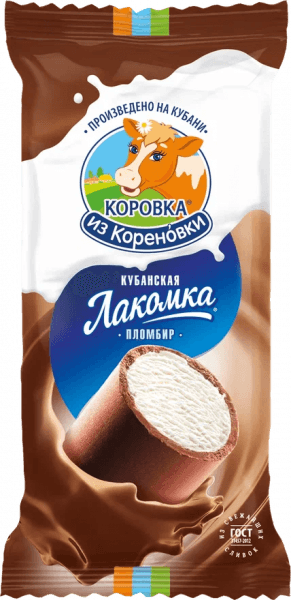
Chocolate-shelled bars want the same restraint. The shell on a Lakomka or an Eskimo is built to crack when you bite it, and that snap depends on the chocolate staying cold and brittle. One to two minutes softens the ice cream underneath while the shell still shatters. Over-temper and the shell separates and slides off in a sheet. Wafer sandwiches are the one place where waiting is a matter of taste: crisp straight from the freezer, tender and old-fashioned after five minutes.
Scooping and the Small Details at the Table
How you take ice cream out of the tub decides how the rest of it eats next week. Warm the scoop in hot water and dry it before each pass, because water carried into the tub freezes on the surface as a sheet of ice. Scrape in shallow passes across the whole top rather than digging a well in the middle: a flat surface reseals against the lid, while a crater traps air, and trapped air is what dries the surface into frost. Chill the bowls too. A bowl straight from the cupboard is room temperature, which starts melting the underside of the scoop the moment it lands.
The last habit is the one people skip. Put the container back in the freezer between servings, not after dessert. A tub left out through seconds and coffee softens all the way through, and that single long warming does more damage than a week of ordinary openings. Sauces and hot espresso go over the top at the table, never stirred into the tub. And when you open a container, judge what is left by what you see rather than by a guessed shelf life: a smooth, dry surface means it has been kept well, and a thickening layer of frost or a shrunken, glassy top means it has been through warm spells and is worth eating soon.
Frequently asked
What temperature should plombir be stored at?
Zero Fahrenheit, or minus 18 Celsius, is the target for long-term storage. Many home freezers run warmer than their setting suggests, so check with a freezer thermometer. Store the containers at the back of a lower shelf where the temperature is steadiest, and keep the freezer reasonably full so it recovers quickly after each opening.
How long should plombir sit out before eating?
Three to five minutes at normal room temperature. Press the surface with the back of a spoon: it should dent under light pressure and still look dry. A warm kitchen needs closer to two minutes, a cold one closer to six. Avoid the microwave, which melts the outer edge while the center stays rock hard.
Why does my ice cream get grainy or icy?
That is heat shock. Each time the product warms slightly, the smallest ice crystals melt, and on refreezing that water joins the larger crystals instead of forming new small ones. Repeat that cycle and the crystals grow big enough to feel. Storing in the freezer door and leaving open tubs on the counter are the two usual causes.
Can I refreeze ice cream that softened on the way home?
If it is still frozen and merely soft, get it back into a cold freezer and give it several hours to firm up before serving. If it melted through to liquid, do not refreeze it. Once the structure is gone it refreezes coarse and icy, and no amount of hard freezing brings it back. An insulated bag for the trip home is the cheapest fix there is.
How do you cut a Poleno log cleanly?
Cut it cold, straight from the freezer. Dip a thin, non-serrated knife in hot water, wipe it dry, and use one long pulling stroke per slice, re-warming the blade between cuts. Aim for slices about three quarters of an inch to an inch thick, then let the plated slices rest two to three minutes before serving.
What should I do the moment my delivery arrives?
Put everything in the freezer before you unpack or check the order. Korovka deliveries travel temperature controlled and arrive frozen, so the goal is simply to minimize time on a warm counter. Then give the order several hours, ideally overnight, to fully equalize before you serve any of it.